Business3 min readBy Fuorix
UK Grants That Will Pay for Your Custom Software in 2026
The Business Productivity and Digitisation Grant Scheme is open again for 2026, with grants of up to £10,000 toward software and digital projects. Most eligible businesses never apply. Here is what qualifies, how the money works, and how to spend it well.
The grant that is open now
The Business Productivity and Digitisation Grant Scheme has reopened for 2026. It offers small and medium-sized businesses grants of up to £10,000 toward projects that improve productivity through digital investment: new software, systems that replace manual processes, and the consultancy to implement them. The 2026 round is running through the South Yorkshire growth hub; similar schemes run under different names in other regions.
It is a match-funded grant. The business pays part of the project cost and the grant covers the rest, typically up to half. For a £12,000 project that means up to £6,000 back; for a £20,000 project, the £10,000 cap applies.
What kinds of projects qualify
The wording varies by region but the intent is consistent: the grant pays for things that make a business measurably more productive. From the projects we have seen funded:
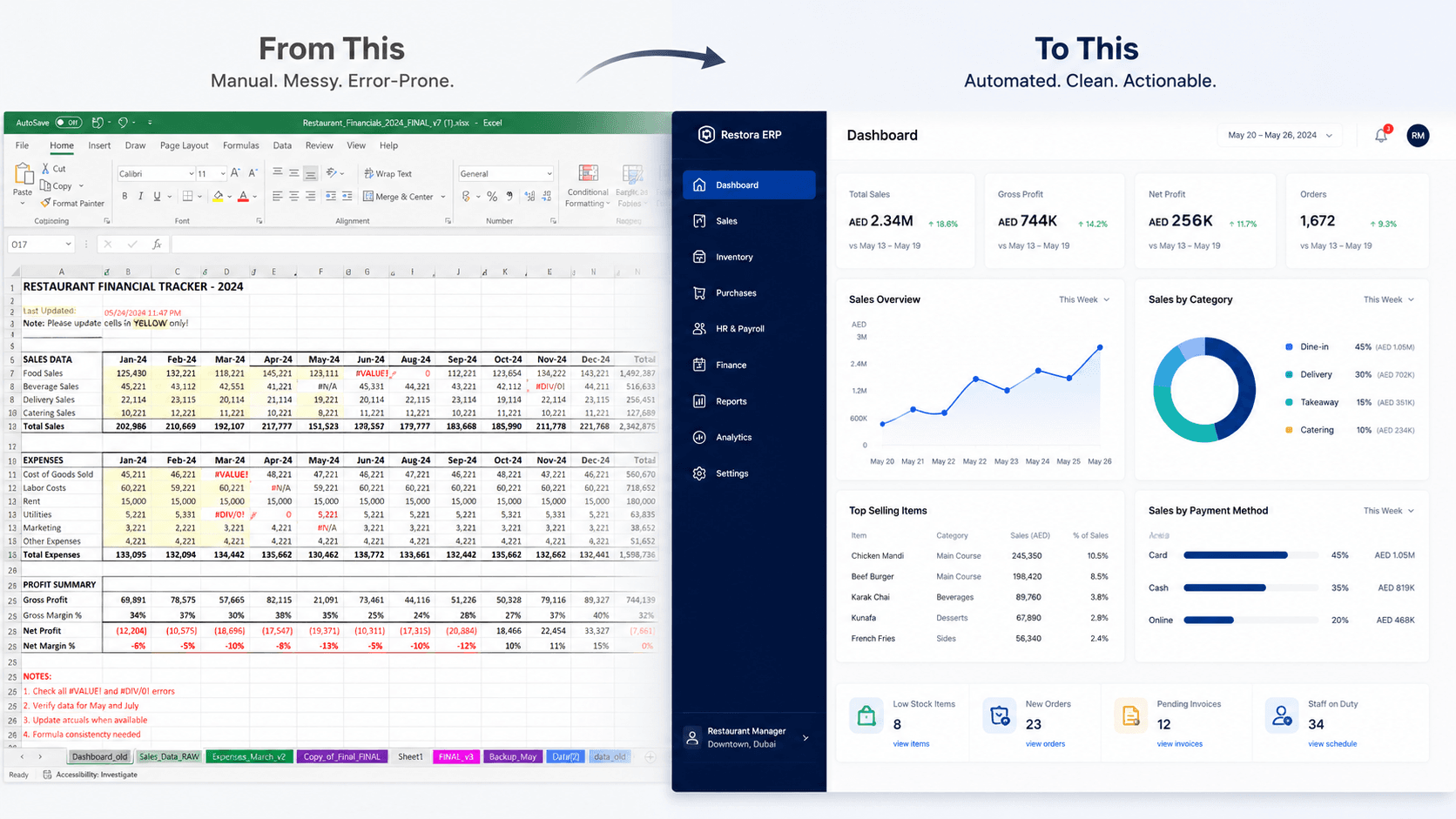
- Replacing a spreadsheet-based process with a proper multi-user system (stock, quoting, job tracking, scheduling).
- A customer portal that removes phone calls and emails from the team.
- Connecting systems that currently need someone to re-key data between them.
- An internal dashboard so the owner stops building Monday reports by hand.
- Automation of a repetitive back-office task.
What tends not to qualify: a new brochure website with no operational change, generic hardware, and anything already bought before the grant is approved.
How to find your local scheme
Every English region has a Growth Hub, funded by government, whose job is to point businesses at exactly this kind of money. Search for your county or city name plus "growth hub", call them, and ask two questions: which digital grants are open, and when the next round closes. Scotland, Wales and Northern Ireland run their own equivalents through Business Gateway, Business Wales and Invest NI.
The Spring Budget is expected to add to the national picture. We will update this post when the detail is published.
How to write an application that gets funded
Grant assessors read a lot of applications that say "we want to be more digital". The ones that get funded say something like this:
Our estimating team spends 14 hours a week re-keying supplier prices into a spreadsheet, and we lose roughly one quote a month to a formula error. A £9,000 custom quoting tool removes the re-keying, prevents the errors and lets us quote from site on a phone. We expect to recover the cost within eight months.
Numbers, a specific process, a specific outcome, and a quote from a supplier attached. The supplier quote is where we come in: we produce a written, fixed-price scope within 48 hours, in the form assessors expect, at no cost.
The timeline to plan around
Grants are paid in arrears in most schemes: you are approved, you pay the supplier, you claim the money back with the invoice. Budget for the cash flow. Approval typically takes four to eight weeks, and rounds close, so the order is: get the scope and quote, apply, wait for approval, then start the build. Starting early to save time usually disqualifies the spend.
What a funded project looks like with us
A typical grant-funded project is a spreadsheet-to-software build from £630 ($800) for a single-process tool up to about £6,300 ($8,000) for a multi-department system, delivered in three to ten weeks with a fixed price agreed before the application goes in. We work with UK clients on UK hours from our Lahore headquarters, which is a large part of why the same project costs less than a local quote and fits inside the grant.
See what we build for UK businesses, or book a free call and we will help you check whether your project qualifies before you spend an afternoon on the form.
Need help with this?
We build the systems described in this article. Let’s talk about your project.
Keep reading
Related articles
Business StrategyApril 28, 2026
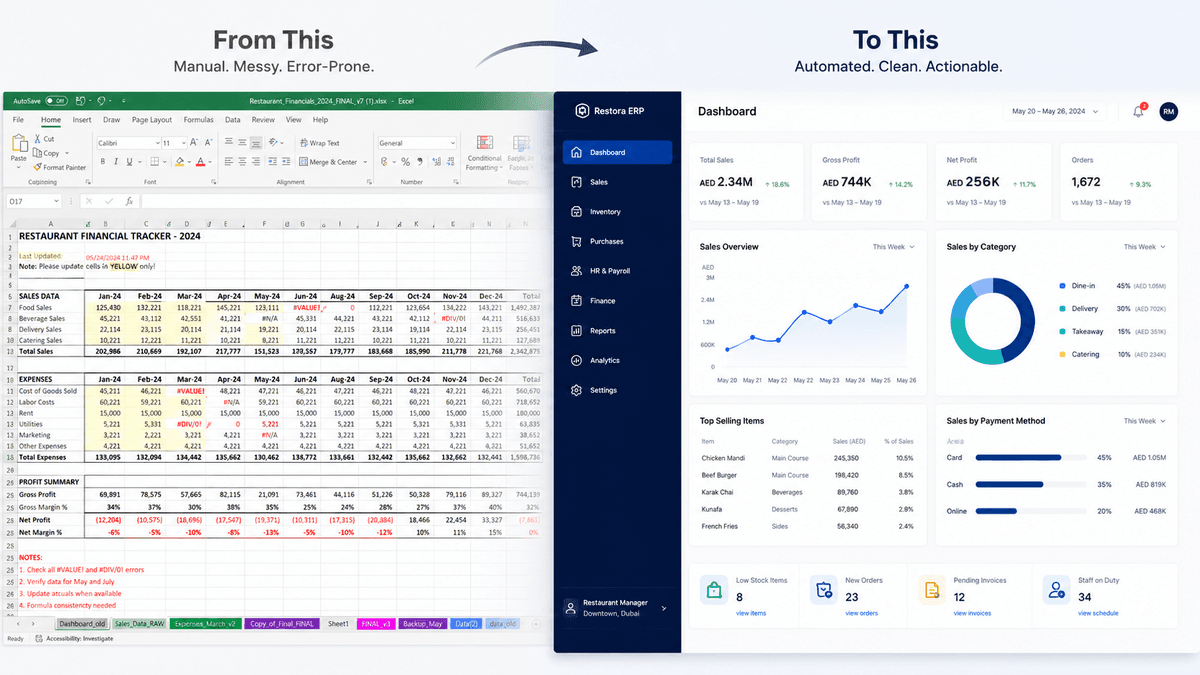
5 Signs Your UK Business Needs a Custom Web App
If your UK business is still running on spreadsheets, generic SaaS tools, or manual processes that eat up hours every week, it might be time for a custom web application built around the way you actually work.
3 min read
Read article
Digital TransformationSeptember 18, 2026
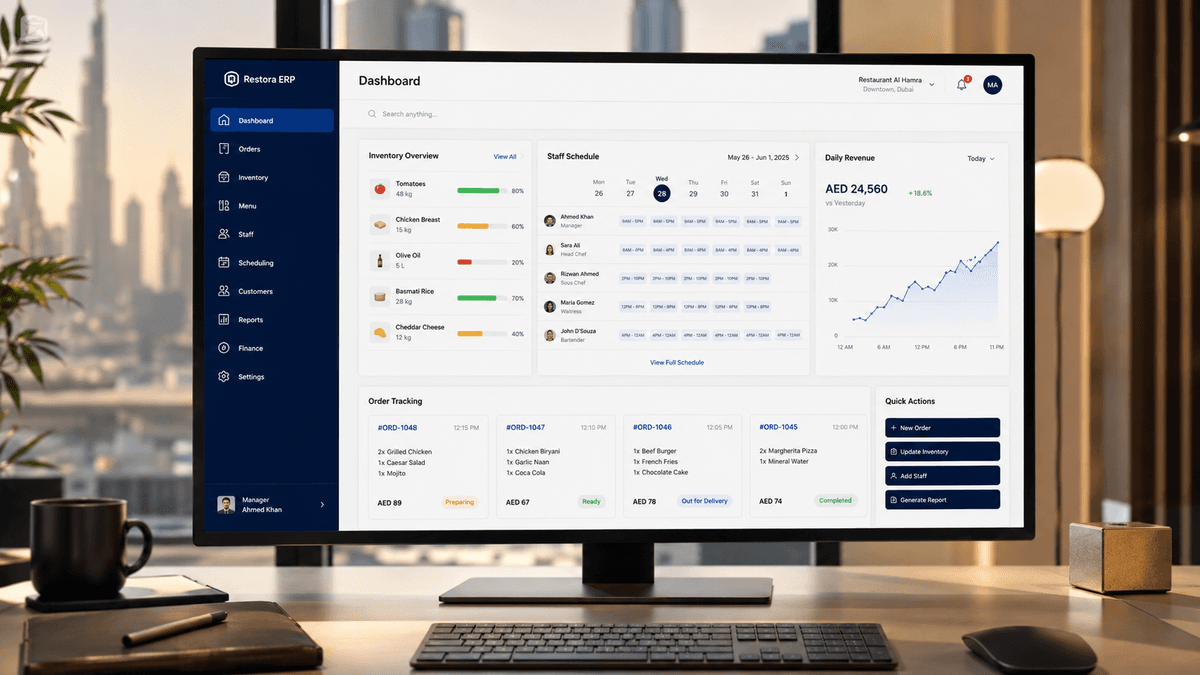
Replace Excel With a Custom App: What It Costs and How Long It Takes
The stock sheet only one person understands, the quoting template with broken formulas, the client list in three versions. Here is what it costs to turn those into a proper multi-user app, how long it takes, and how to tell if you are ready.
3 min read
Read article