Digital Transformation3 min readBy Fuorix
The UAE Is Building an AI-Native Government by 2027. What That Means for Your Business Systems
A new national AI and Data Authority, a $3.54 billion plan to make Abu Dhabi the first AI-native government by 2027, and half of government services to be AI-powered within two years. If your business deals with the government, here is what to prepare in your own systems.
What has been decided
Three things landed in quick succession.
The UAE Cabinet approved a single national Artificial Intelligence and Data Authority, bringing AI policy, data governance and digital government under one roof. Abu Dhabi published its plan to become the world's first AI-native government by 2027, backed by a $3.54 billion programme and with more than 100 AI use cases already in operation across government entities. And the federal government said that half of its services will be AI-powered within two years.
In October, Abu Dhabi hosts the first Ai Everything expo and summit, where a lot of this will be shown in public for the first time.
Why a 20-person company should care
Because the government is your counterparty. Trade licence renewals, visa processing, VAT filing, municipality permits, tender submissions, e-invoicing: every UAE business touches government services constantly, and those services are about to change how they work.
An AI-native service does not want a scanned PDF and a phone call. It wants structured data, submitted through an API or a portal, from a system that can answer questions about itself. Businesses whose records live in WhatsApp threads and a spreadsheet called FINAL_v7 will still be able to comply. They will just do it slowly, by hand, and with more errors, while their competitors' systems talk to the government's directly.
The e-invoicing rollout is the first concrete example. It is a data-format requirement, and businesses running on spreadsheets will have to fix their data before they can meet it.
Three things to prepare in your own systems
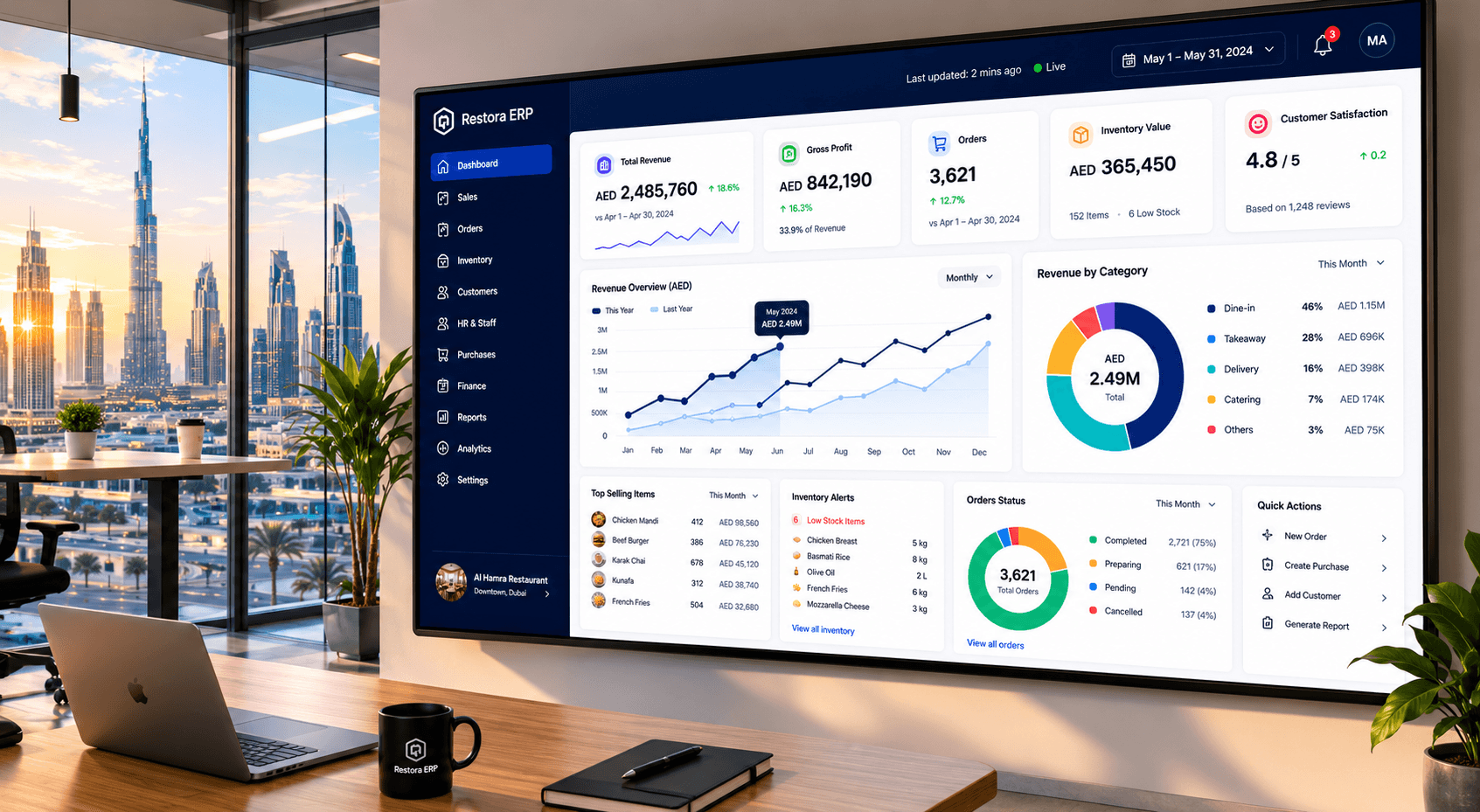
1. Get your core records into a proper system. Customers, suppliers, employees, invoices, inventory, in one place, with clean fields. This is the foundation for everything else and it is the change most UAE SMEs have been putting off. Our spreadsheet-to-software projects start from $800 (about AED 2,900) and a full custom ERP from $1,500 (about AED 5,500).
2. Make sure your system can export and connect. Whatever you run should be able to produce structured data on demand and connect to an outside service through an API. This is the difference between a system that will plug into e-invoicing and government portals when required and one that will need to be replaced.
3. Start using AI inside your own operations. Not because the government says so, but because the businesses that have an AI assistant answering customer questions and a dashboard that flags problems will be the ones that can respond when a government service asks for something new. Our AI automation projects start from $600 (about AED 2,200).
What to watch at Ai Everything in October
If you are attending as a buyer rather than a vendor, three things are worth your time: the government entities demonstrating which services move to AI first, the e-invoicing and data-exchange sessions, and the SME-focused talks on compliance. Skip the keynotes about the future of humanity. Take photos of the service roadmaps.
We will publish a short follow-up after the expo with what we saw that affects small businesses.
Timing
The two-year window for half of services is the deadline to plan around. A business that fixes its records this quarter and connects its systems next year will be comfortable. A business that starts when the first service changes will be scrambling.
See what we build for UAE businesses, or book a free call and we will look at what you run today and tell you what needs to change first.
Need help with this?
We build the systems described in this article. Let’s talk about your project.
Keep reading
Related articles
Business IntelligenceApril 18, 2026
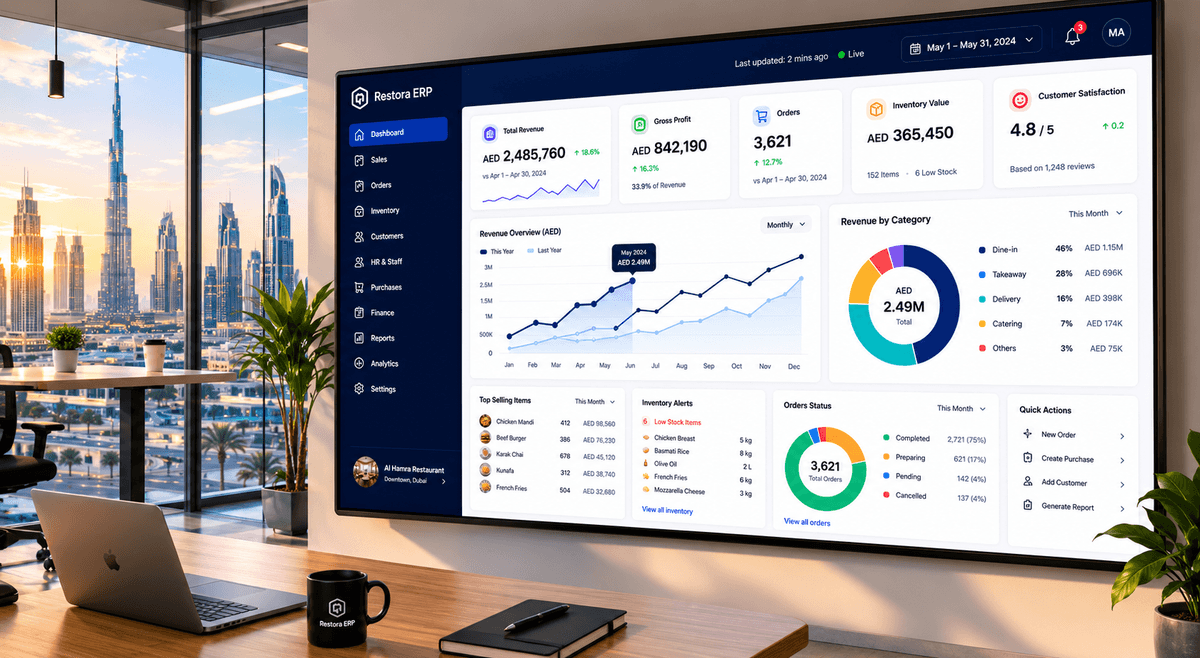
Why UAE SMBs Are Investing in Custom Business Dashboards in 2026
UAE small and mid-sized businesses are moving from scattered Excel reports and disconnected SaaS tools to unified real-time dashboards, and the results are transforming how they make decisions and grow.
3 min read
Read article
PricingMay 8, 2026
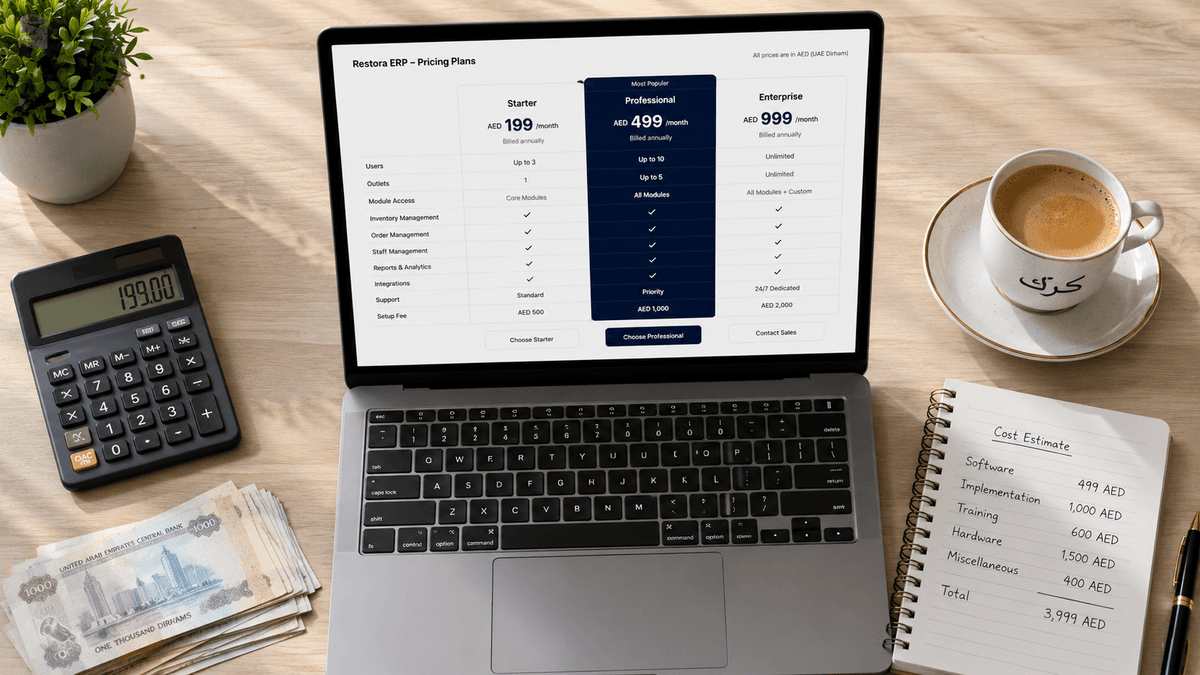
How Much Does a Custom ERP Cost for a Small Business in the UAE? (2026 Prices, Module by Module)
Most 'ERP cost in UAE' articles give you a range from AED 40,000 to AED 300,000 and no way to place yourself in it. Here is our pricing module by module, a worked example for a 25-person business, and what makes the number go up or down.
3 min read
Read article