Startups3 min readBy Fuorix
Free Cloud Credits for Startups in 2026: Who Qualifies, How Much, and the Expiry Trap
There is more free cloud money available to founders in 2026 than most of them realise: $5,000 from AWS with no investor needed, $10,000 from Cloudflare, up to $350,000 from Google for AI-first startups. Here is who qualifies, how to apply, and the mistake that turns credits into a bill.
The programmes, in one table
Every major cloud provider pays startups to build on its platform. The credits are real, the paperwork is light, and most founders we meet in Dubai, Lahore and London have not applied for any of them.
| Programme | Credits | Who qualifies | Investor needed? |
|---|---|---|---|
| AWS Activate Founders | $5,000 | Any early-stage startup with a website and a plan | No |
| AWS Activate Portfolio | up to $100,000 | Startups linked to an accelerator, VC or partner | Yes (or a partner) |
| Cloudflare for Startups | $10,000 | Early-stage startups, self-applied | No |
| Google for Startups Cloud Program | up to $200,000 over two years | Pre-seed to Series A, application reviewed | Tiered by stage |
| Google for Startups, AI-first track | up to $350,000 | AI-focused startups meeting the technical bar | Tiered by stage |
Figures are the 2026 published amounts at time of writing; check each programme page before you rely on a number.
Who can apply from the UAE, the UK and Pakistan
All of them. None of these programmes are limited by country, and we have helped founders in all three apply. What they do need is a company that looks like a company: a registered entity or a clear intention to register, a working website, a founder email on that domain rather than Gmail, and a two-paragraph description of what you are building. The Google tiers above $2,000 also want to see traction or a recognised accelerator.
A Pakistani founder building for the Gulf market is a perfectly normal applicant. So is a UAE free-zone company with a Lahore engineering team.
How to apply, in the right order
- Register the domain and set up email on it first. Applications from a personal Gmail are the most common rejection we see.
- Put up a real one-page website. It does not need to be finished. It needs to explain the product and show it is alive.
- Apply to Cloudflare and AWS Founders the same day. Both are quick self-service forms and neither asks for an investor.
- Apply to Google once you have anything to show. A demo, early users, or an accelerator letter moves you up a tier.
- Do not accept credits on a provider you are not going to use. More on why below.
The expiry trap
This is the part that costs founders money. Credits expire, usually after twelve months, sometimes sooner. When they run out, billing resumes automatically on whatever you have running, at full price, with no warning that most founders notice.
The pattern we see: a startup gets $100,000 of credits, builds without ever looking at the bill, leaves large databases and machines running because they are "free", and then in month thirteen receives an invoice for $4,000 for infrastructure that could have cost $300.
The fix is boring and takes an afternoon. Set a billing alert on day one, size things as if you were paying, and put a reminder in the calendar two months before the credits expire to review what is running. We do this for every client we set up, credits or not.
Which provider should you pick?
For most startups building a web product, it matters less than the forums suggest. Our default for clients is the provider where they have the most credits, with the code written so that moving later is possible. What we avoid is splitting one small product across two providers to use both sets of credits, which doubles the operational work for a founder who does not have it to spare.
If you are AI-first, the Google tier is large enough to change your first-year plan and worth the extra effort in the application.
Where we come in
We set up cloud accounts, apply for the credits alongside you, and run the infrastructure on our Cloud & DevOps plan from $300 a month (about AED 1,100 or PKR 84,000), which includes the billing alerts and the expiry review. If you are still at the idea stage, our MVP guide explains what to build first.
Book a free call and bring your pitch deck. We will tell you which programmes you qualify for today.
Need help with this?
We build the systems described in this article. Let’s talk about your project.
Keep reading
Related articles
StartupsJanuary 22, 2026
How Much Does an MVP Cost in 2026? Fixed-Price Examples from Real Builds
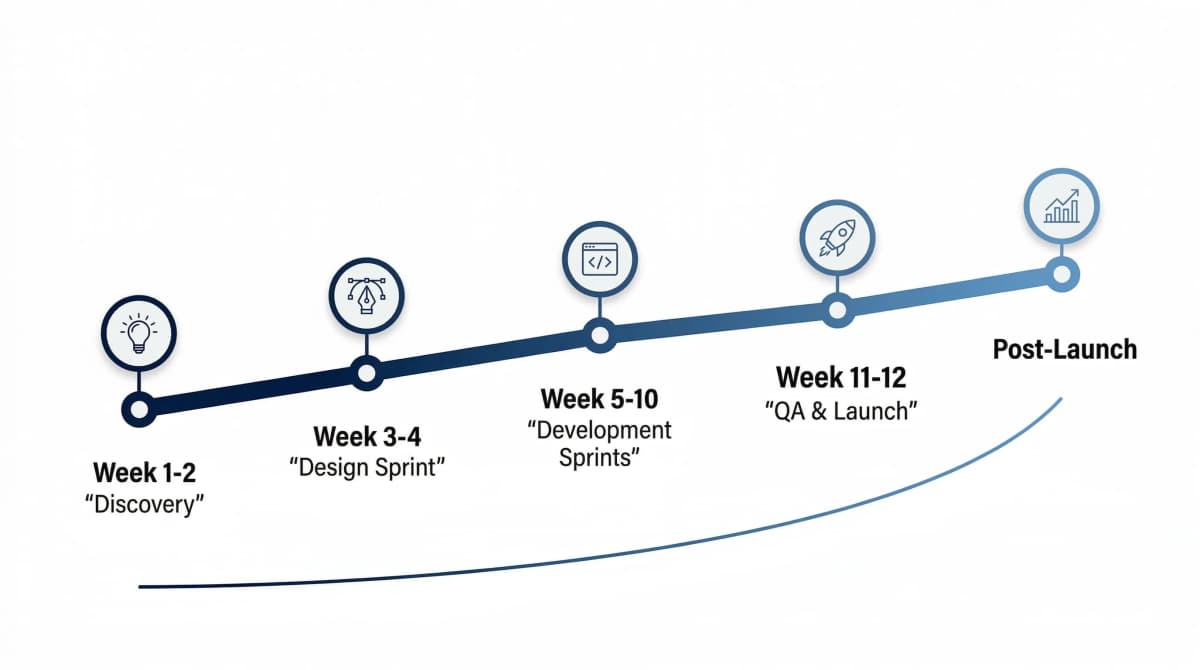
An MVP should cost a fraction of the full product, but only if it is scoped like one. Real price bands from marketplaces, SaaS tools and internal apps we have shipped, and the 12-week process behind them.
3 min read
Read article
StartupsOctober 1, 2025
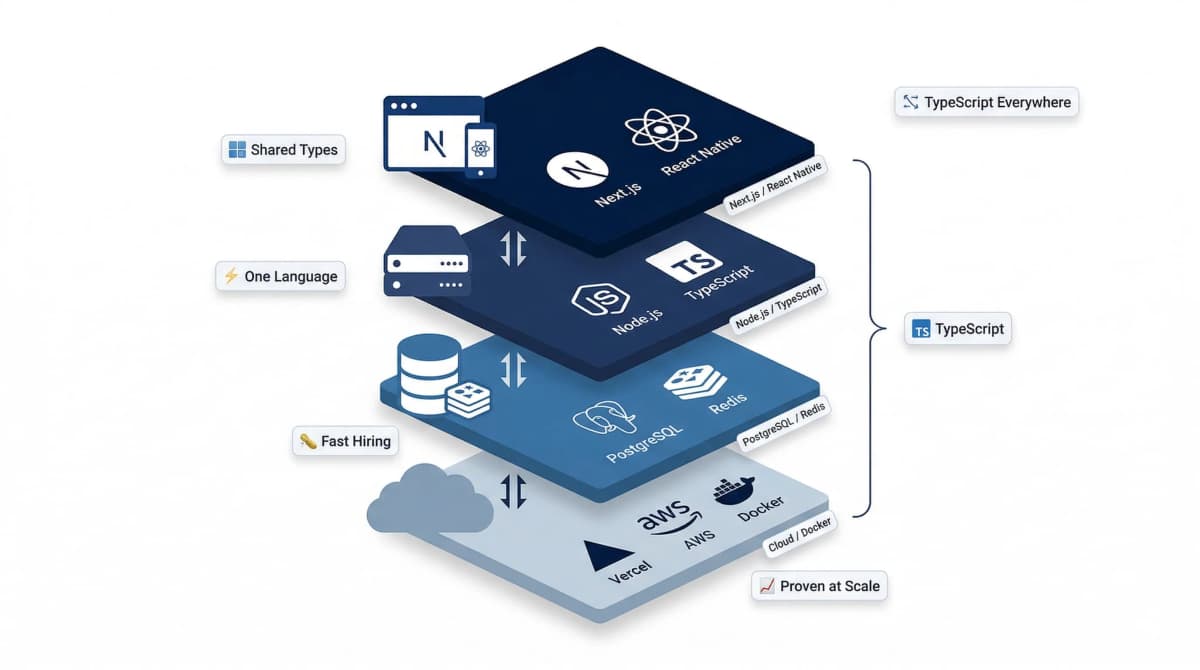
The Best Tech Stack for Startups in 2026: A Founder's Guide (With a $10k Budget Example)
Founders do not need to pick technologies. They need a stack that is cheap to run, easy to hire for and does not need rebuilding at 10,000 users. Here is ours, and exactly what we would build with a $10k budget.
3 min read
Read article